
Ever stood in a thrift store, heart racing because you just spotted what might be a mid-century Eames chair hiding under a pile of 90s windbreakers? If that feeling gives you life, welcome home, fellow treasure hunter.
The thrift gods don’t reward the casual browser. Finding those jaw-dropping vintage pieces while thrifting requires strategy, patience, and a trained eye that can spot gold among the polyester.
In this guide, I’ll share the underground tactics serious collectors use to consistently unearth rare vintage finds worth bragging about (or flipping for serious profit).
The difference between walking out empty-handed and scoring that pristine 1970s Gucci bag? It’s not luck. It’s knowing exactly what you’re about to learn.
Understanding the World of Vintage Thrifting

Defining “Vintage” vs. “Antique” Items
Ever wonder why that seller is calling their 1990s Nirvana t-shirt “vintage” when it doesn’t feel that old? Here’s the deal: vintage typically refers to items between 20-100 years old, while antiques are over 100 years old. That’s the quick version, but the reality is a bit messier.
Many thrifters use “vintage” pretty loosely. That 10-year-old Urban Outfitters dress? Not vintage. That 1970s macramé wall hanging? Definitely vintage.
What really matters is authenticity. True vintage pieces show signs of their era—specific manufacturing techniques, labels, materials, and design elements that scream “I was made decades ago!”
Popular Vintage Categories Worth Hunting
The vintage market isn’t created equal. Some categories are absolute gold mines:
- Clothing: Mid-century dresses, 70s band tees, 80s denim jackets
- Furniture: Danish modern pieces, Art Deco lamps, 50s kitchen tables
- Electronics: Record players, vintage cameras, early video game consoles
- Housewares: Pyrex patterns, mid-century ceramics, vintage barware
The sweet spot? Items from the 1950s-1970s. They’re old enough to be genuinely vintage but recent enough that they’re still functional and plentiful.
Why Rare Vintage Pieces Hold Value
The vintage market is booming for good reason. First off, they literally don’t make ’em like they used to. That 1960s dresser? Solid wood, not particle board.
Scarcity drives prices through the roof. When brands discontinued popular patterns or limited production runs, they created accidental collector’s items. Think certain Pyrex designs or specific Nike sneaker releases.
Beyond monetary value, vintage pieces tell stories. That Hawaiian shirt might’ve been at Woodstock. That camera might’ve captured someone’s wedding day in 1962.
The sustainability angle can’t be ignored either. Buying vintage means one less new item produced and one less old piece in a landfill. It’s shopping with history and conscience built in.
Planning Your Thrifting Strategy

Researching Thrift Stores and Estate Sales in Your Area
Finding the best spots takes detective work, but it pays off big time. Start by building a personalized thrift map – Google Maps is your friend here. Search “thrift stores near me” and save all locations with 4+ star ratings.
But don’t stop there. The real treasures hide in:
- Church basement sales
- Small-town charity shops
- Estate sales in wealthy neighborhoods
Facebook Marketplace and local community groups often announce estate sales before they hit public listings. Follow these groups religiously – serious vintage hunters check them daily.
Pro tip: Talk to store employees. They know when new shipments arrive and might set aside items matching your interests if you build rapport.
Best Days and Times to Find Premium Items
Timing is everything in this game.
Weekday mornings (Tuesday-Thursday) between 10am-noon are golden hours when new merchandise hits the floor but crowds haven’t picked through it.
Most thrift stores restock on specific schedules:
- Goodwill: Monday and Thursday mornings
- Salvation Army: Wednesday (50% off day at many locations)
- Mom-and-pop shops: Ask directly – they’ll usually tell you
Avoid weekends unless you enjoy competition from casual browsers. Early birds really do get the vintage worms.
Seasonal Thrifting Opportunities
Smart thrifters follow predictable donation cycles:
Spring cleaning season (March-May) brings massive inventory influxes as people purge closets and attics.
January sees a post-holiday donation surge – people making room for new gifts and claiming tax write-offs.
Back-to-school season paradoxically yields amazing furniture finds as people upgrade homes before school starts.
When wealthy areas have neighborhood garage sales, hit those neighborhoods’ donation centers the following week. Failed garage sale items often go straight to donation.
Spotting Hidden Gems Among the Ordinary

A. Telltale Signs of Authentic Vintage Items
Ever grabbed something at a thrift store that just felt different from everything else? That’s your instinct picking up on authenticity. Real vintage pieces have specific markers – fabric that feels substantial, natural wear patterns (not manufactured distressing), and metal zippers with brand names stamped on them in older items. Check labels too – they’ll often use fonts and styles that aren’t produced anymore, and many vintage garments proudly display “Made in USA” or other country-of-origin markers that became less common in later decades.
B. How to Identify Quality Craftsmanship
The difference between a $5 find and a $500 treasure? Craftsmanship. Flip garments inside out – quality vintage pieces often have neat, consistent stitching and finished seams. Heavy furniture should have dovetail joints rather than staples. Watch for real wood versus particleboard, hand-carved details, and the weight of items – quality pieces typically have heft to them. Metal items? Check for substantial weight and solid construction without hollow parts.
C. Recognizing Valuable Brand Markers and Signatures
Some signatures are worth more than others. Designer labels from Dior, Chanel, or Gucci are obvious scores, but don’t overlook lesser-known quality brands like Pendleton, Ethan Allen, or mid-century designers like Eames. Look for maker’s marks on the underside of pottery, stamps on silverware, and signatures on art pieces. Even a partial logo can help you identify something valuable with a quick search.
D. Using Technology for On-the-Spot Authentication
Your phone is your secret weapon. Apps like Google Lens can identify items from photos. eBay’s “sold items” search shows what similar pieces actually sold for. Join Facebook groups for vintage collectors and post photos for quick authentication help. Some dedicated apps for antiques can estimate age and value from photos. Save reference images of authentic labels and signatures in your photo gallery for quick comparisons while shopping.
E. Trusting Your Instincts: Developing a “Thrifter’s Eye”
The best thrifters have something special – they can scan a crowded rack and zoom right to the good stuff. This skill develops over time. Start by touching everything – quality materials feel different. Train yourself to spot color variations in a sea of items (that pop of vibrant vintage dye stands out). Notice the shapes and silhouettes that differ from contemporary styles. Most importantly, when something makes you pause, listen to that feeling. Your subconscious is processing details your conscious mind hasn’t caught yet.
Negotiation and Purchasing Tactics

The Art of Respectful Haggling
Look, haggling isn’t about being cheap—it’s about playing the game. When I find a gorgeous 1950s cocktail dress tucked between polyester nightmares, I don’t just grab it and run to the register. I take a breath.
Start with a smile and a genuine compliment: “You’ve got an amazing collection here.” Then ask about flexibility on pricing, but frame it as a question, not a demand: “Any wiggle room on this price?” Not “This is overpriced.”
Watch your body language. Crossed arms scream “confrontational.” A friendly, open stance makes store owners more receptive.
And please—know when haggling is appropriate. A charity shop supporting homeless veterans? Maybe just pay the $5 for that vintage scarf.
When to Walk Away vs. When to Splurge
The thrifting golden rule: if you’re still thinking about that item three days later, go back for it.
Walk away when:
- The item has irreparable damage
- The price is outrageous even after negotiation
- You’re buying it just because it’s “sort of” cool
Splurge when:
- You’ve never seen anything like it before
- The craftsmanship is exceptional
- It fits your collection perfectly
- Your gut is screaming “YES!”
Remember that $40 might seem steep for a thrift store lamp, but if it’s an authentic mid-century piece worth $400, you’ve scored.
Building Relationships with Store Owners
The secret weapon of serious vintage hunters? Befriending store owners.
I visit my favorite shops regularly, even when I’m not buying. Why? Because Mario at the corner vintage store now texts me when mid-century barware arrives. Because Elaine at the church thrift knows I collect old cookbooks and sets them aside.
Share knowledge without being a know-it-all. When you spot something interesting that the owner might have undervalued, mention it respectfully. They’ll appreciate the education.
Bring store owners coffee occasionally. Remember their kids’ names. Be a person, not just a customer. These relationships pay dividends when rare pieces come through their doors—you’ll be the first call they make.
Caring for and Authenticating Your Finds

A. Cleaning Methods for Different Vintage Materials
Got your hands on a dusty vintage treasure? Don’t ruin it with harsh cleaning before you know what you’re dealing with. Different materials need different TLC:
For wooden furniture, skip the water. A soft cloth with a tiny bit of olive oil works wonders. That mid-century credenza doesn’t need chemical polish—just gentle buffing.
Vintage clothing requires serious babying. Never toss that 1950s Dior into your washing machine! Hand wash delicates in cold water with mild soap, or take special pieces to dry cleaners who specialize in vintage textiles.
Jewelry and metals respond well to specific approaches:
- Silver: Baking soda paste and aluminum foil bath
- Gold: Warm water with mild dish soap
- Costume pieces: Just dust with a soft brush (water damages glue)
Ceramics and glass only need lukewarm water with mild soap. That’s it. No dishwasher, no scrubbing—unless you want cracks and faded patterns.
B. Professional Appraisal Resources
Think you’ve struck gold? Don’t just guess what your find is worth.
The best appraisers are specialists in their niche. The person who knows Depression glass won’t necessarily know 1970s designer clothing. Ask around at:
- Auction houses (even if you’re not selling)
- Local antique dealer associations
- Online forums like Antiquers.com
- University art departments
Expect to pay $75-250 for a proper written appraisal. Anything less is probably just a quick opinion.
And those “free appraisal events” at malls? They’re hunting for inventory, not giving accurate values. Their “appraisals” tend to be low-ball offers.
C. Restoration vs. Preservation: Making the Right Choice
This is where most vintage hunters mess up.
Restoration means making something look new again. Preservation means stabilizing it in its current condition.
That scratch on your Danish modern table? It’s part of its history. Refinishing it might drop its value by 50% or more.
When to restore:
- Non-collectible items
- Severely damaged pieces
- Items you plan to use daily
- When original parts are available
When to preserve:
- Rare or museum-quality items
- Pieces with original finishes
- Items with historical significance
- When patina adds character
The general rule: less is more. Start conservative—you can always do more later, but you can’t undo aggressive restoration.
D. Documenting Your Collection’s Provenance
The story behind your finds often matters more than the items themselves.
Create a simple system to track:
- Where and when you purchased each item
- Previous owners (if known)
- Original receipts or documentation
- Manufacturer marks or signatures
- Repairs or restoration history
Take detailed photos from multiple angles, including maker’s marks and any damage.
Consider a digital inventory app like Sortly or Collector’s Assistant. They let you categorize, tag, and search your growing collection.
The most valuable vintage pieces have complete ownership histories. That “just a chair” becomes “the chair from Hemingway’s study” with the right documentation. And that’s worth 10x more.
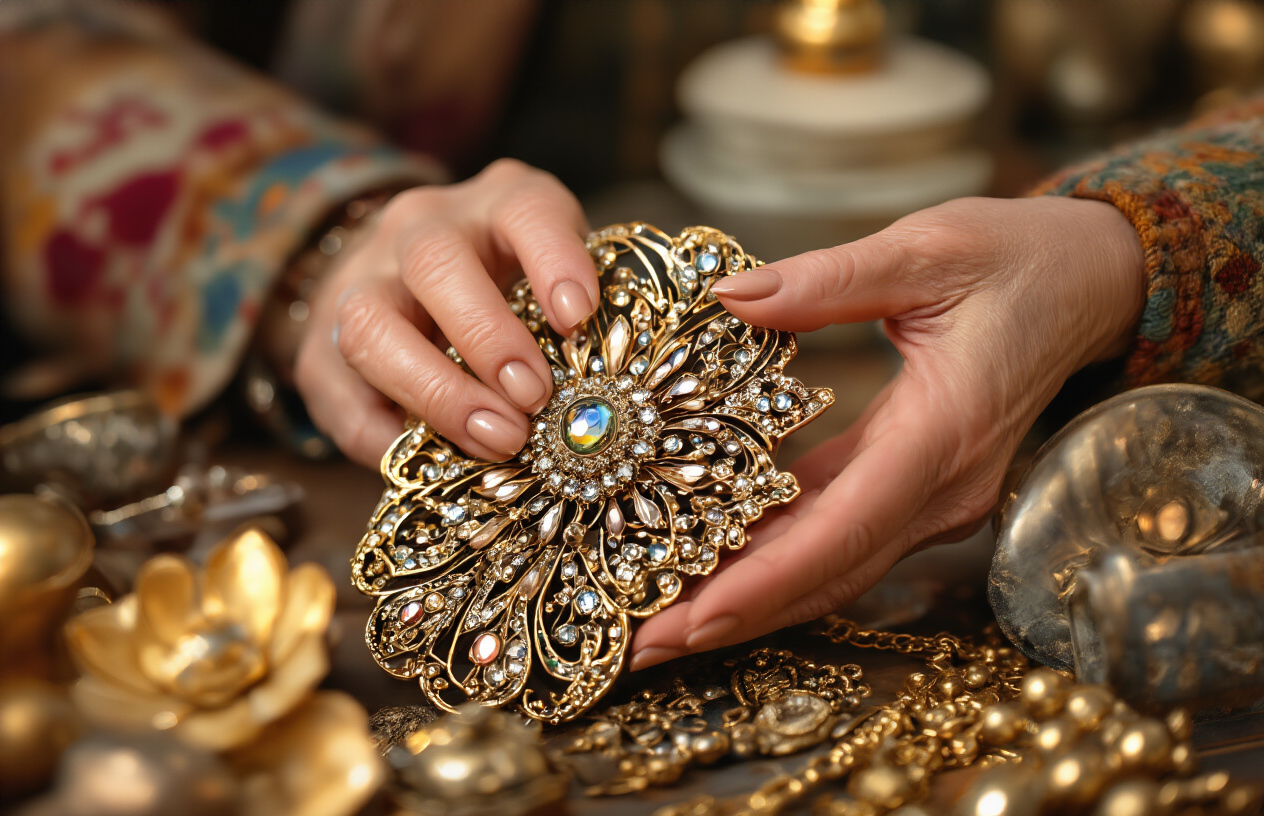
Finding rare vintage pieces isn’t just about luck—it’s about preparation, knowledge, and developing a discerning eye. By understanding what makes vintage items valuable, planning your thrifting excursions strategically, and learning to spot quality amid quantity, you can transform ordinary shopping trips into treasure hunts. The skills of negotiation and authentication further ensure that your vintage collection grows with genuine, valuable pieces that you’ve acquired at fair prices.
As you care for your newfound treasures, remember that each item carries its own history and story. The joy of vintage hunting extends beyond the thrill of the find—it’s about preserving pieces of the past and giving them new life in the present. So grab your shopping bags, brush up on your knowledge of different eras, and embark on your next vintage adventure with confidence. The perfect rare piece is waiting for you to discover it.
Leave a Reply